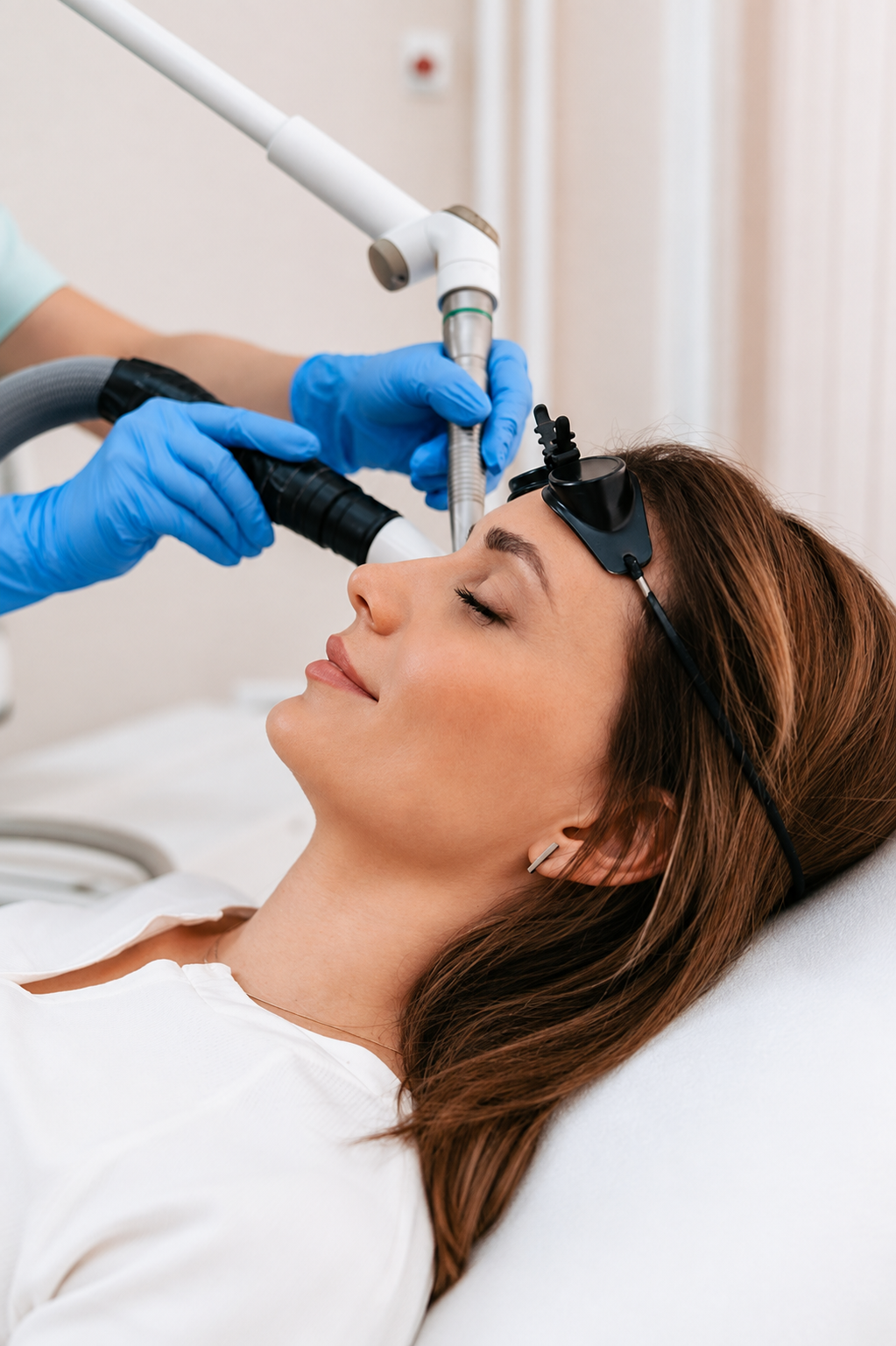
Laser Resurfacing
Laser resurfacing uses focused light energy to precisely remodel the skin’s surface, effectively treating fine lines, wrinkles, acne scarring, surgical scarring, uneven texture, and hyperpigmentation.
- Effective treatment for wrinkles, scarring, texture irregularity, and hyperpigmentation
- Stimulates the skin’s own collagen production for progressive, lasting improvement
- Range of intensities available — from gentle, minimal-downtime treatments to intensive ablative resurfacing
.png)

Results
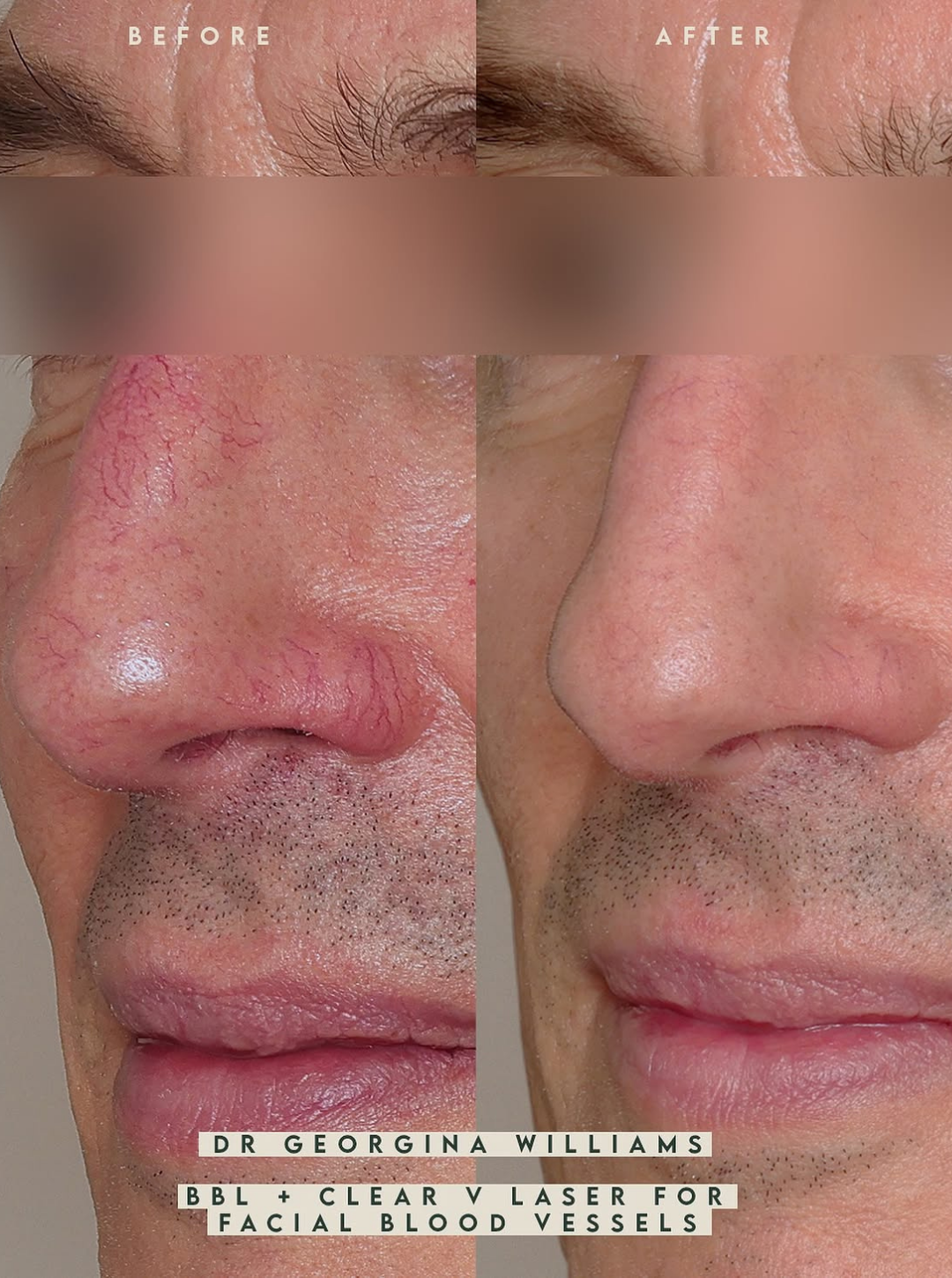
Gradual improvement over weeks to months as collagen remodels. Lighter treatments show subtle improvement with each session. Intensive ablative resurfacing produces more dramatic results but requires longer recovery. Multiple sessions may be recommended for optimal results.
BOOK CONSULTATIONWhat To Expect
PRICE:
Pricing provided following an initial consultation
TIME:
20 minutes to 1 hour depending on area and intensity
PAIN:
Well managed — topical numbing cream for lighter treatments; local anaesthetic or sedation for intensive resurfacing
RECOVERY:
Light treatments: 1–3 days of redness; intensive ablative resurfacing: 7–14 days of healing
AREAS:
Face (full or targeted zones), neck, décolletage, hands, body
FREQUENCY:
Mild concerns: 1–3 sessions; deeper scarring: a more intensive course; maintenance as needed
How Does It Work
Focused laser energy is applied to the skin, precisely removing or remodelling the outer layers and stimulating the body’s natural healing response and collagen production. The type of laser, settings, and depth of treatment are selected based on the specific concern being addressed and the patient’s skin type. Dr Williams offers laser resurfacing as both a standalone treatment and as an adjunct to surgical procedures — for example, perioral laser resurfacing can complement a facelift or lip lift by addressing fine lines that surgery alone cannot correct. Treatment ranges from gentle, minimal-downtime sessions to intensive ablative resurfacing for significant skin concerns.
Frequently Asked Questions
What Are The Benefits?

- Improvement in fine lines, wrinkles, and skin texture
- Reduction in acne scarring, surgical scarring, and stretch marks
- Treatment of hyperpigmentation and uneven skin tone
- Stimulation of collagen production for lasting improvement
- Can complement surgical procedures for comprehensive rejuvenation
What complementary treatments are available?
- Facelift, brow lift, or blepharoplasty — surgical rejuvenation complemented by laser resurfacing
- Lip lift — with perioral laser resurfacing
- Skin boosters — to enhance skin quality alongside laser treatments
- Medical skincare — to support and maintain results
- Scar revision — combining surgical and laser approaches
What is the post-treatment advice?
- Follow specific aftercare instructions for the laser type and intensity used
- Keep treated skin moisturised and protected from the sun
- Avoid picking or scratching healing skin
- Use recommended SPF and skincare products
- Attend follow-up appointments
What are the risks?
Risks include temporary redness, swelling, and peeling (expected); infection, prolonged redness, hyperpigmentation, hypopigmentation (particularly in darker skin tones — careful laser selection minimises this risk), and very rarely scarring. All risks are discussed during consultation.
What CAN I EXPECT?
- Thorough skin assessment and personalised treatment plan
- Comfortable treatment with appropriate anaesthesia
- Progressive improvement over weeks to months
- A course of treatments may be recommended for optimal results
Who is this treatment unsuitable for?
- Patients with active skin infections (e.g. herpes simplex — antiviral prophylaxis may be prescribed)
- Those with very dark skin types (certain lasers — careful assessment required)
- Patients currently using isotretinoin (must wait a minimum period after stopping)
- Pregnant or breastfeeding women
- Those with unrealistic expectations about single-session results for deep scarring
Schedule A Consultation
BOOK CONSULTATION