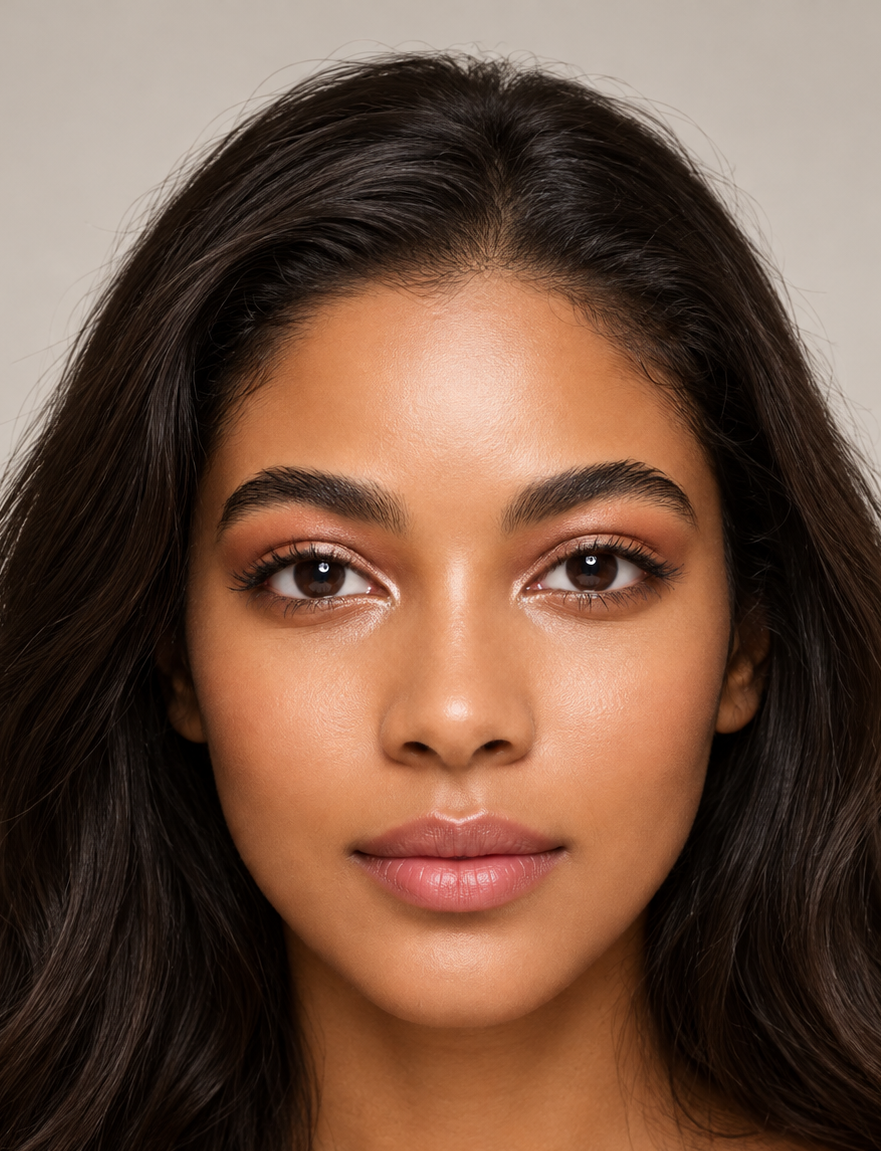
Upper Blepharoplasty
An upper blepharoplasty is a surgical procedure to rejuvenate the eyes by removing excess upper eyelid skin and tailoring the upper eyelid fat. It produces a refreshed, more youthful appearance to the eyes. It is one of the most commonly performed plastic surgical procedures worldwide.
- Removes excess upper eyelid skin to reveal a carefully planned amount of upper eyelid "show"
- Short procedure (approximately 1 hour) that is most often performed under local anaesthetic
- Minimal downtime with long-lasting results (10–15+ years)

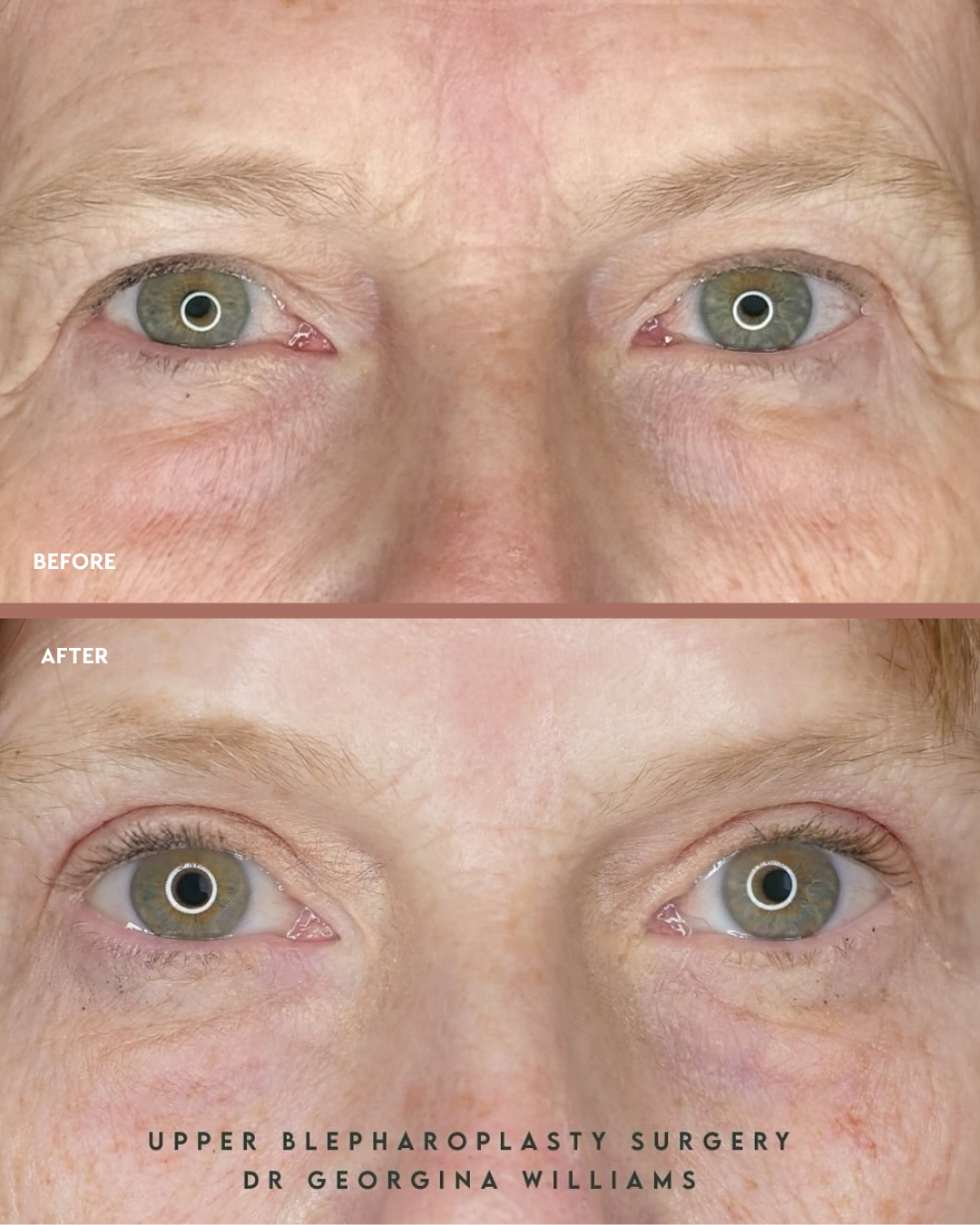
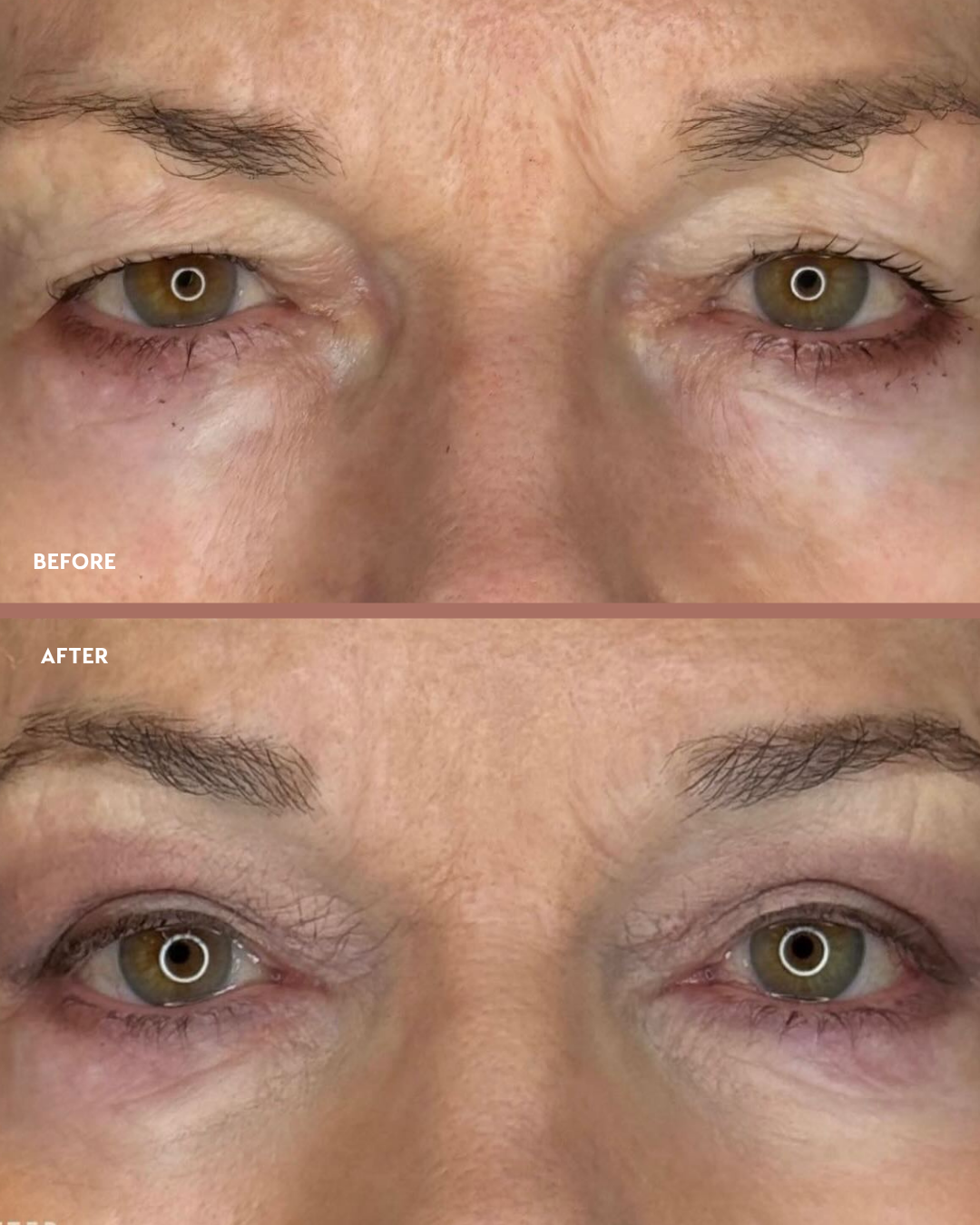
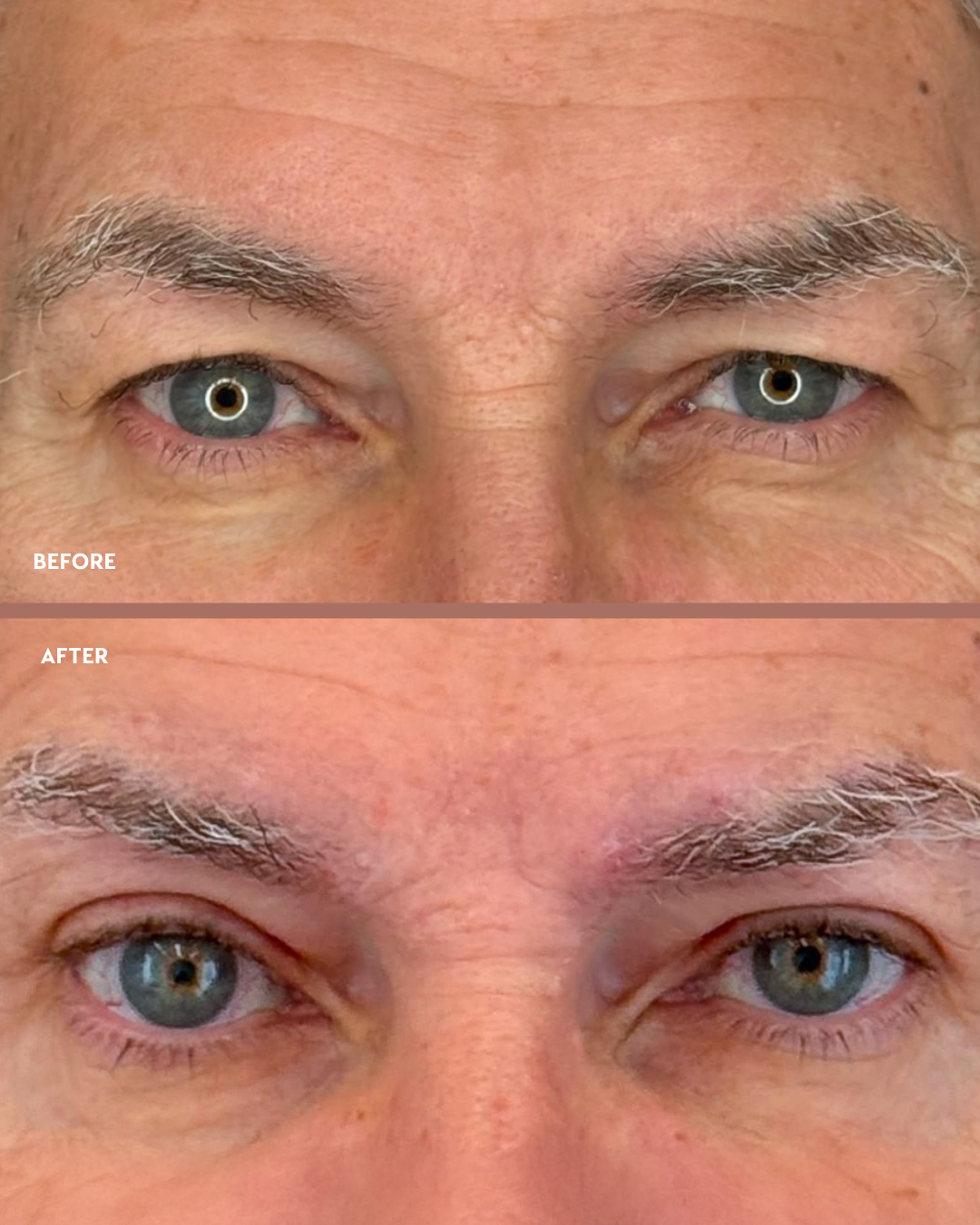

Results
The improvement is visible immediately, even with some initial swelling and bruising. Swelling and bruising improve radically over the first week, with bruising fully clearing within 2–3 weeks. Fine sutures hidden in the natural eyelid crease are removed at 7 days. The final result can be seen at the 2-3 month mark.
BOOK CONSULTATIONWhat To Expect
PRICE:
Pricing provided following initial consultation
TIME:
Approximately 1 hour
PAIN:
Minimal — well managed with simple pain relief such as paracetamol
RECOVERY:
Performed as a daycase. Remote work from within days; in-person activities within 1–3 weeks; avoid heavy lifting for 2 weeks
AREAS:
Upper eyelids
FREQUENCY:
A one-time procedure with results lasting 10–15+ years
How Does It Work
Careful preoperative markings are placed on the eyelid. Once the eyes are anaesthetised, the precisely planned amount of skin is gently removed and any structural changes to the eyelid fat and other structures are performed. Meticulous cautery is performed to stop any bleeding, and the skin is closed with very fine non-dissolving sutures that are removed at 7 days to give the most aesthetic scar. Ice packs are applied for approximately an hour post-procedure to minimise initial swelling and bruising. If performed alongside other procedures (brow lift, facelift, lower blepharoplasty), general anaesthetic is used.
Frequently Asked Questions
What Are The Benefits?

- Removal of excess upper eyelid skin that creates a heavy, hooded appearance
- Rejuvenation of the eyelid fat for a refreshed, well-rested look
- Scar hidden in the natural crease of the upper eyelid
- Can be performed under local anaesthetic as a standalone procedure
- Long-lasting results (typically 10–15+ years)
What complementary treatments are available?
- Brow lift — to address the complex interplay between brow droop and upper eyelid skin excess
- Lower blepharoplasty — to address bags, hollowing, and excess skin beneath the eyes
- Fat grafting — to restore periorbital volume lost through ageing
- Facelift — as part of comprehensive facial rejuvenation
- Non-surgical enhancements — Botox, fillers, and laser treatments
What is the post-treatment advice?
- Apply ointment to incisions several times daily; sutures removed at 5–7 days
- Use cold compresses regularly and sleep with head elevated
- Eye drops may be prescribed to prevent dryness
- Avoid heavy lifting, leaning down, and straining for at least 2 weeks
- A silicone scar gel will be provided for the first few months to encourage scar maturation
- Attend all scheduled follow-up appointments
What are the risks?
Risks are uncommon and include infection, poor scarring, temporary dry eyes, and very rarely haematoma requiring drainage. All risks will be discussed in detail during your consultation.
What CAN I EXPECT?
- Immediate visible improvement even with initial swelling
- Swelling and bruising improve dramatically over the first week
- Bruising fully clears within 2–3 weeks
- Final, settled result within a few months
Who is this treatment unsuitable for?
- Patients whose hooded appearance is primarily due to brow descent (may need a brow lift instead or in addition)
- Those with active Botox effects that need to wear off before accurate surgical planning
- Patients with certain eye conditions — Dr Williams will assess suitability during consultation
- Active smokers (must stop 6 weeks before and after)
Schedule A Consultation
BOOK CONSULTATION